

Ever wondered how a single image can whisper stories from the past and speak volumes in the present? Welcome to the fascinating universe of photoaxompanha. This term might sound like it came straight out of a sci-fi movie, but fear not, it’s not as intimidating as it seems. We’re diving into a realm where visuals blend with context, and every photo tells a story worth sharing. Grab a snack and settle in: we’re about to explore why photoaxompanha is not just a trend but a vital part of our visual communication toolbox.
Photoaxompanha
Historical Background of Photoaxompanha
To understand photoaxompanha, we need to travel back in time, exploring its roots. Historically, photography has been a vessel for documenting moments, yet the notion of weaving stories into images emerged much later. From the early days of black-and-white photography, where a single snapshot could bring forth nostalgia or mourning, to today’s digital age, the evolution of photoaxompanha reflects our growing need to connect through visuals. In ancient cultures, images were often accompanied by descriptive texts, helping to narrate the events surrounding them. Fast forward to the 20th century, and we see photojournalism blossoming during significant historical events. Photographers like Dorothea Lange used images to tell profound stories, allowing the world to comprehend struggles during the Great Depression. This merging of image and narrative has paved the way for what we now recognize as photoaxompanha.Applications of Photoaxompanha in Various Fields
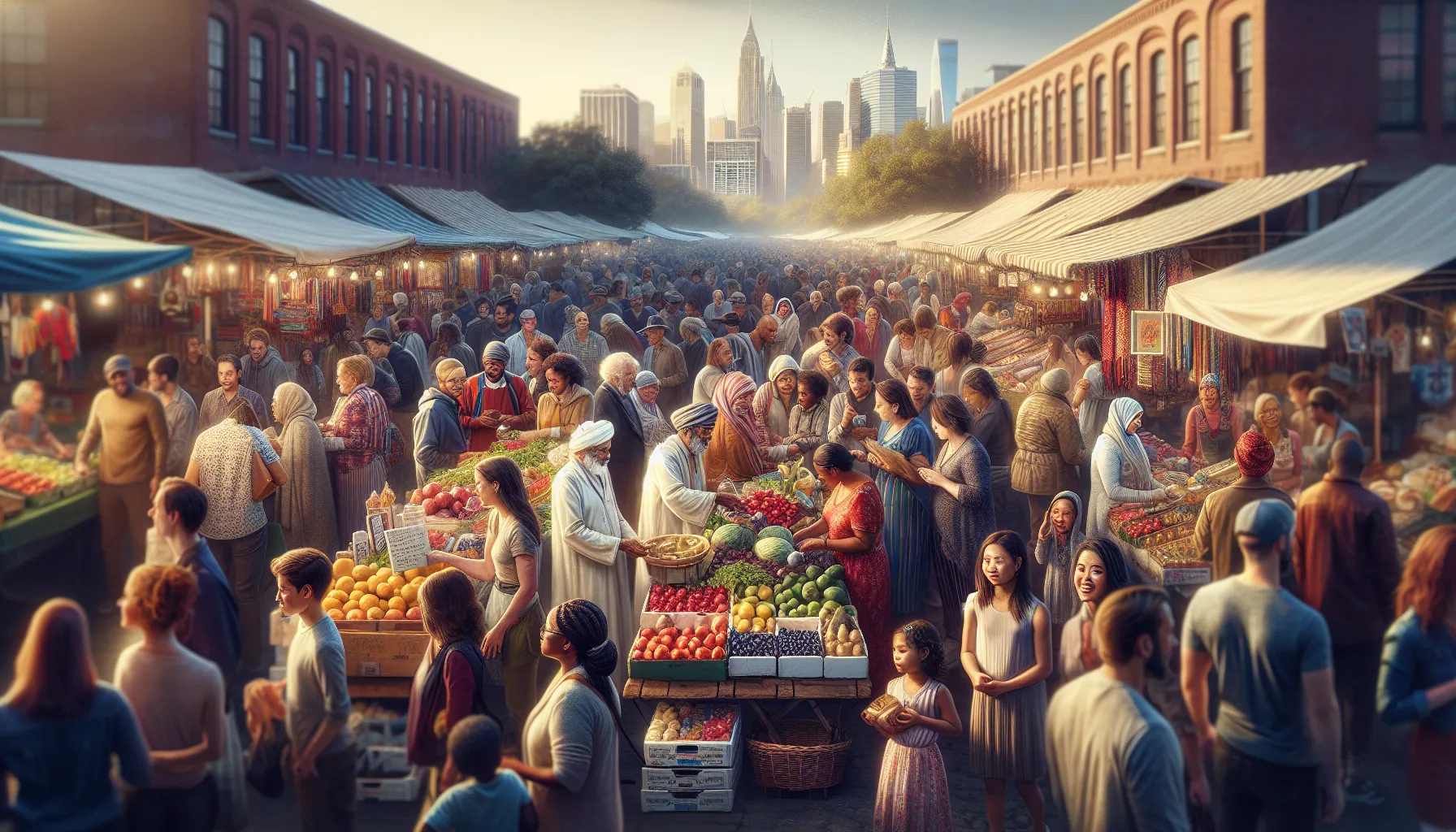
We can spot the influence of photoaxompanha across diverse fields. In marketing, visual storytelling reigns supreme. Brands leverage this to create emotional connections with consumers, using images infused with stories about their values, ethics, or product origin. In education, photoaxompanha becomes a learning tool. Educators use visuals coupled with narratives to explain complex concepts, promoting a deeper understanding among students. Besides, social media harnesses this concept remarkably well. Platforms like Instagram and Pinterest thrive on imagery that encapsulates stories, allowing users to engage with content more profoundly. Photography exhibitions often capture the essence of cultural narratives through photoaxompanha, transforming galleries into emotional journeys.The Process of Creating Photoaxompanha
Creating effective photoaxompanha requires a thoughtful approach. Firstly, we identify the story we want to tell. What message do we wish to convey through our images? Next, we select powerful visuals that resonate with this narrative. It’s crucial to capture photos that not only look appealing but also evoke emotions and provoke thoughts. Once we have our visuals, it’s time to weave in the accompanying text. This might include descriptions, anecdotes, or historical context. The goal is to create a seamless flow between the image and the narrative, allowing viewers to appreciate the depth of what they are seeing. Finally, feedback is vital. Sharing our creations with others and incorporating their perspectives helps refine our approach and storytelling.Benefits of Using Photoaxompanha