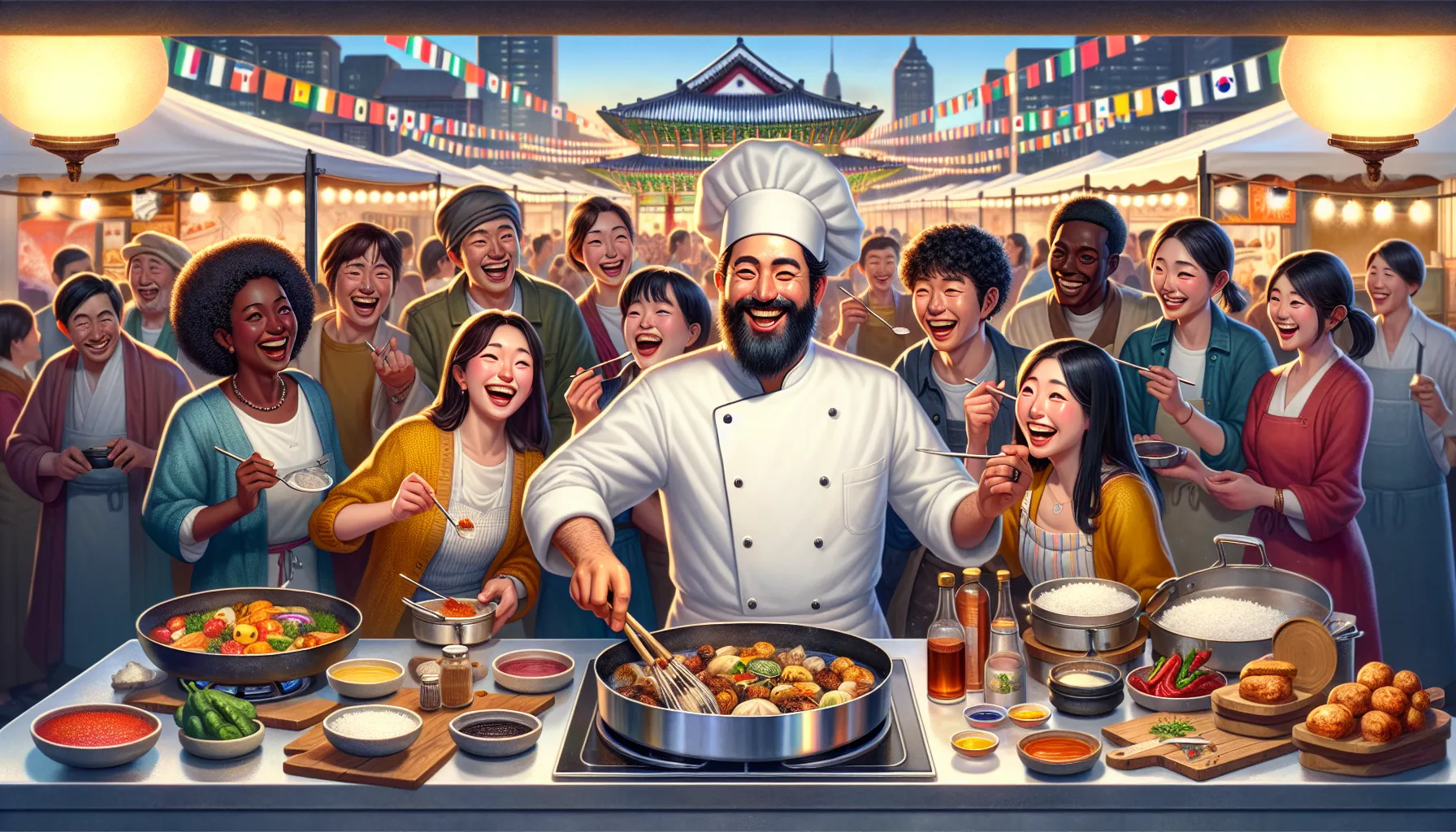
Picture this: a quaint village where ancient Korean traditions mingle with the richness of European culinary crafts. Welcome to Gyeongju, a jewel in South Korea’s gastronomic crown, where delightful twists on classic dishes will make your taste buds dance. From historical influences that shape our menus to signature dishes that tell stories of their own, we’re here to unravel the artistry behind Gyeongju’s European-style country cuisine. So grab your forks and let’s embark on a flavorful journey.
경주的歐式鄉村料理
Traditional Ingredients and Their Origins
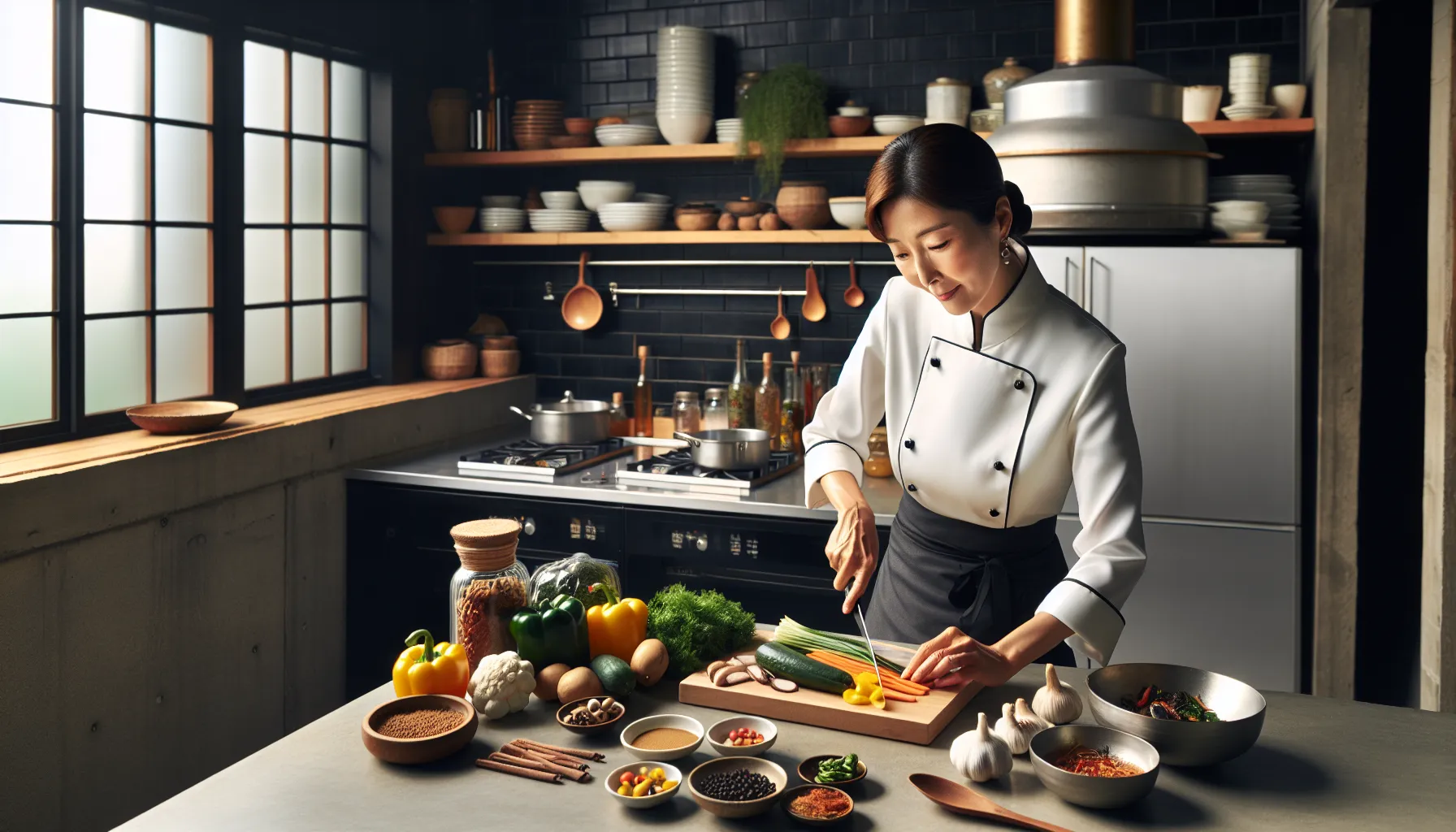
What’s cooking in Gyeongju’s kitchens? Well, it all starts with the ingredients that make our dishes sing. Local farmers grow vegetables rich in flavor, while nearby waters provide fresh seafood. But let’s spice things up a bit. Think of how garlic and thyme, staples of European kitchens, weave their way into our meals. Olive oil drizzled over Korean pancake, anyone? Each ingredient tells a tale, from the humble rice that supports our meals to the exotic herbs that hint at lands far away. The marriage of local produce and traditional staples creates eclectic dishes that not only nourish but also celebrate diversity.Signature Dishes and Their Unique Twists
Now, let’s talk about the stars of Gyeongju’s burgeoning food scene. We’re particularly fond of how we reinterpret comfort food. Think roasted duck infused with gochujang, bringing a hint of spice to this classic dish, or creamy risottos made with local mushrooms that shout umami. Imagine savory pies filled with tangy kimchi, a delightful inversion of norms. Each dish is more than just food: it’s a playful conversation between cultures. It’s fun to see our chefs innovate while paying homage to their roots, each bite is a culinary adventure that keeps us coming back for more.Exploring Notable European-Style Restaurants in Gyeongju
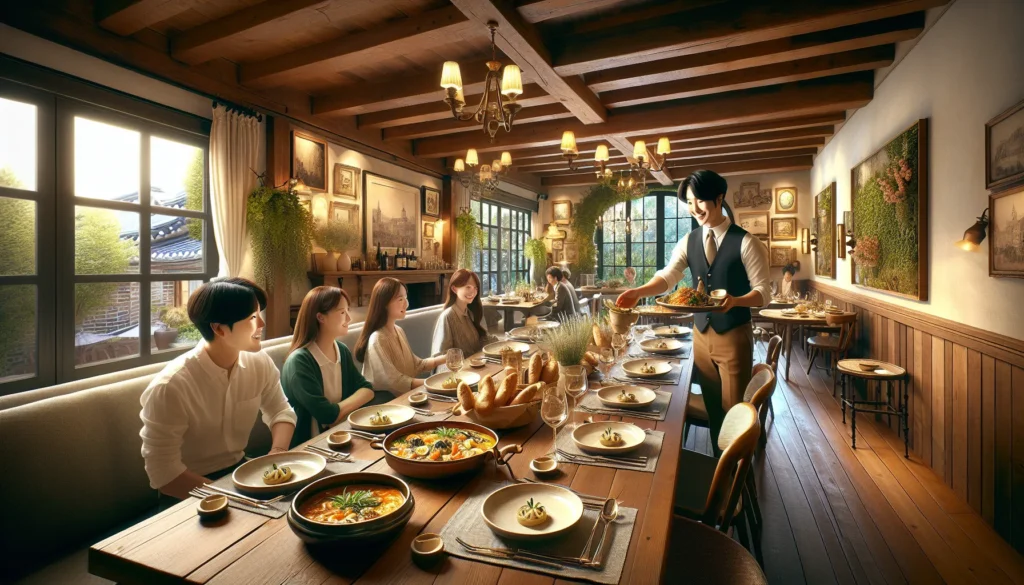
When we feel our stomachs rumbling, Gyeongju has no shortage of incredible dining spots. One favorite is a cozy bistro tucked away in the historical district, serving dishes that echo both Korean and European traditions. The atmosphere feels like stepping into a rustic farmhouse, think wooden beams and warm light. The chef’s specials often feature fusion-inspired creations that keep locals and tourists alike raving. Dining there isn’t just about eating: it’s about experiencing the stories behind the plates. Another gem is a modern eatery focused on sustainability. They bring an innovative flair to traditional fare, showcasing ingredients sourced from local farms. These spots offer us a culinary journey that reflects both a reverence for past traditions and the excitement of current trends.Culinary Events and Festivals Celebrating Gyeongju’s Cuisine